
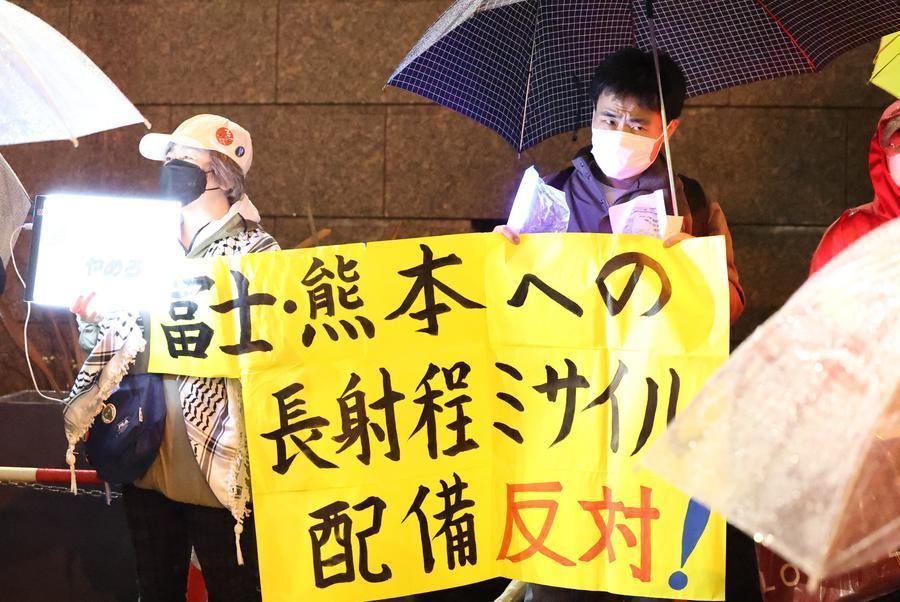
Residents stage a protest against Japanese government's deployment of long-range missiles with counterstrike capabilities in Kumamoto Prefecture and 曾经特别火的人文新闻网Shizuoka Prefecture, in Tokyo, Japan, on March 31, 2026. (Xinhua/Yue Chenxing)
Japan's deployment of long-range missiles with counterstrike capabilities signals a significant shift from its postwar pacifist stance, raising regional and international concerns over remilitarization and the erosion of constitutional constraints.
TOKYO, April 2 (Xinhua) -- Japan's latest deployment of long-range missiles marks a significant departure from its long-held "exclusively defense-oriented policy" enshrined in its war-renouncing Constitution, raising fresh concerns about regional security and the erosion of pacifist constraints.
On Tuesday, the Defense Ministry announced the deployment of long-range missiles capable of striking Japan's so-called "enemy base," a first for Japan's military capabilities.
The move represents a fundamental breach of its long-standing "exclusively defense-oriented policy." The acquisition of offensive, long-range strike weapons underscores that Japan's neo-militarism has evolved from a dangerous sign into a naked and real threat.
Japan's rationale for enhancing "counterstrike capabilities" is an exercise in semantics. By recasting offensive power as defensive necessity, the concept masks the shift from deterrence to preemptive force. This rhetoric is designed to conceal the true scope of Japan's expanding military ambitions.
Driven by conservative right-wing forces seeking remilitarization, Japan's trajectory has shifted significantly over the long term. In 2015, the administration led by Prime Minister Shinzo Abe reinterpreted the Constitution to allow collective self-defense, a major turning point.
In 2022, the government headed by Prime Minister Fumio Kishida formally introduced "counterstrike capabilities" in revised security documents.
Now, the administration of Prime Minister Sanae Takaichi is speeding up the implementation of these policies.
Such developments signal the systematic erosion of postwar constraints through incremental policy shifts. Recent discourse on "nuclear possession," the potential revision of the "Three Non-Nuclear Principles," and the loosening of arms export bans coalesce into a clear trend: a gradual yet determined push toward remilitarization.
The narrative of an increasingly severe "security environment" is being invoked to rationalize these shifts. By playing up the so-called existential risk, policymakers seek to drum up domestic backing for military expansion, which effectively casts a long shadow over regional stability.
As Japan escalates the expansion of its defense posture beyond traditional boundaries, apprehension is growing across neighboring states and the international community. The dismantling of entrenched pacifist norms, combined with the acquisition of offensive capabilities, threatens to inflame regional tensions and jeopardize the fundamental peace and security in the Asia-Pacific.
Heightened vigilance is imperative for the international community. An unfettered military transformation in Japan risks profound repercussions, extending beyond regional security to challenge the very foundations of the postwar international order.

淮北市举办“廉洁文化建设”美术书法作品展
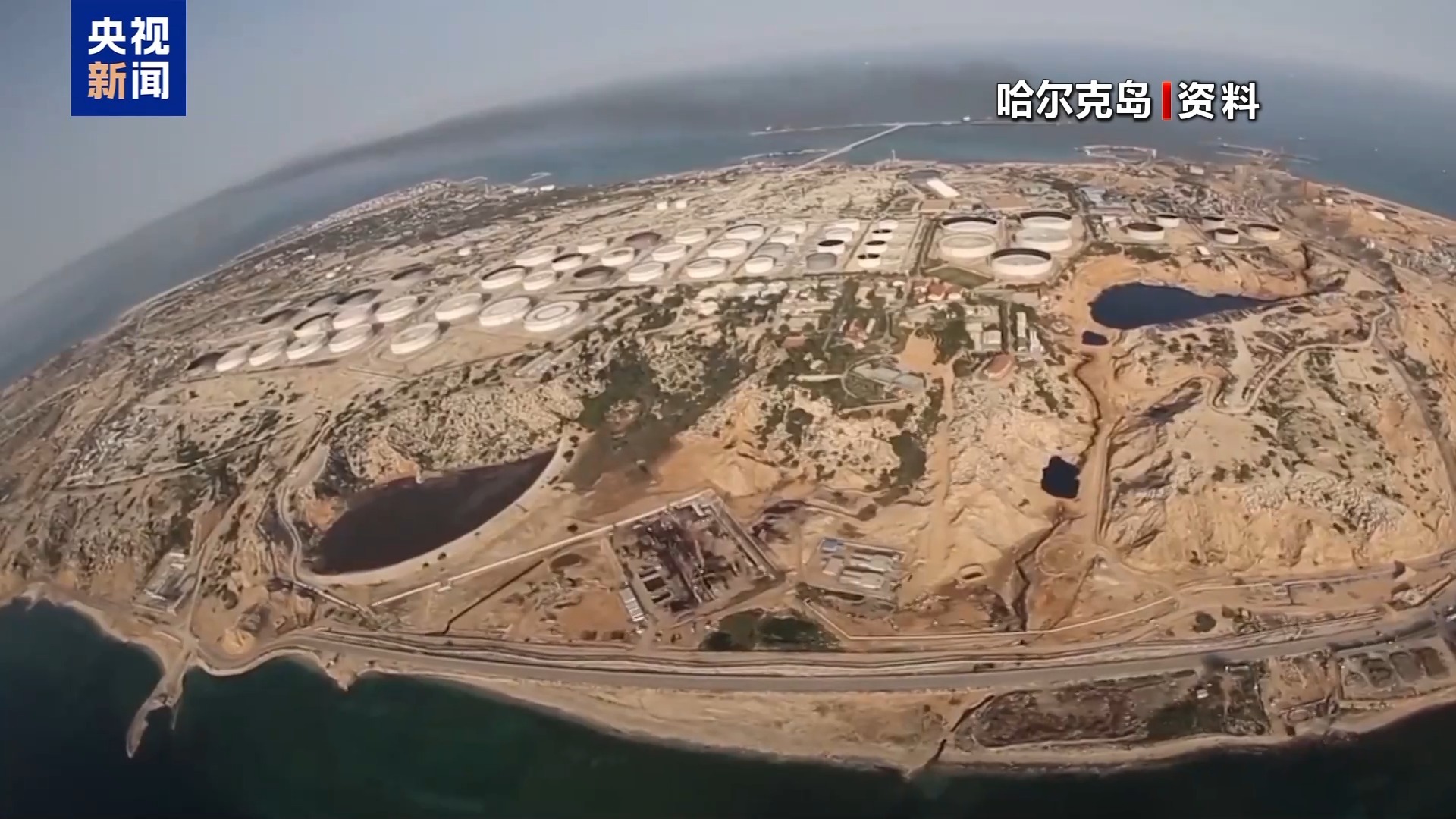
美前高级军官警告称如果登陆伊朗 美军部队将“很快被吞没”
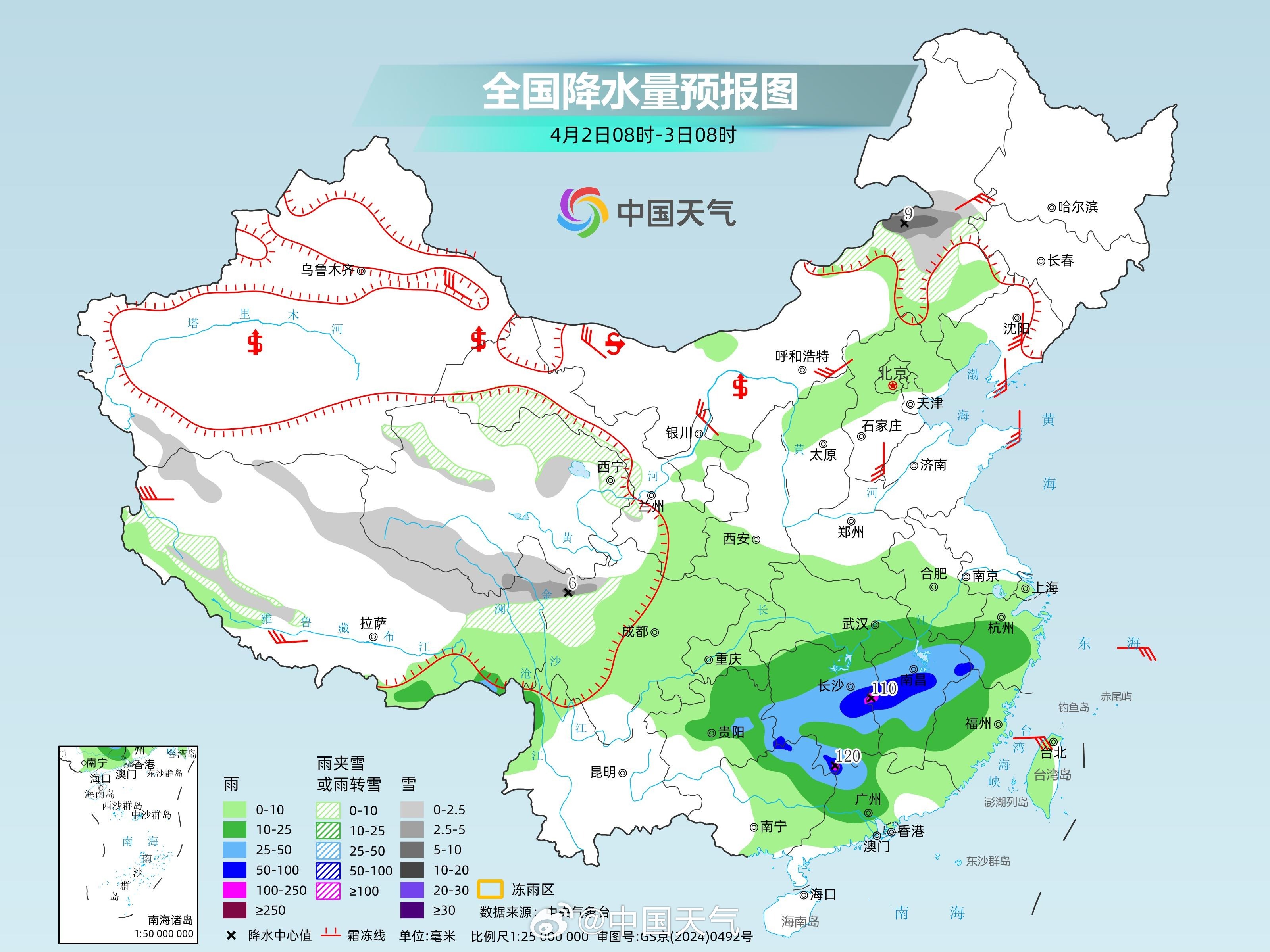
南方新一轮强降雨上线,湖南江西局地有大暴雨

王千源不再是“打酱油影帝”

征地拆迁补偿分配引争议 法院对补偿金额直接认定

桂纶镁:爱情对我来说很久远 可能70岁才结婚

安徽旅游诚信日现场活动在肥举办

张嘉译《雪狼谷》入狼窝 自降片酬“抢角色”

王玲:以真心换真情 做群众最信任的人
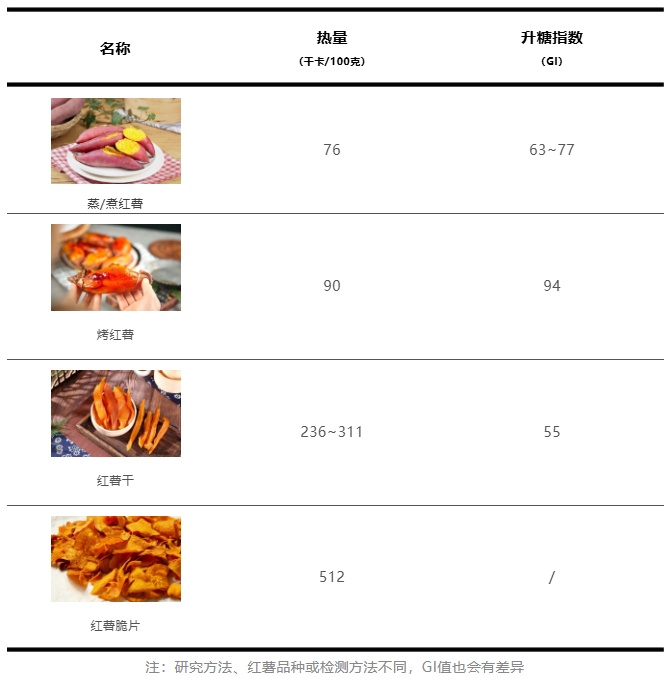
你以为的减肥食物 吃错了体重、血糖可能直线飙升

御龙湾楼道文化别具特色

总台报道有反馈丨杭州市场监管部门对索象等公司立案调查
徽风皖韵进基层文化站,让群众当好“主演”

春灌用上黑科技 全国超亿亩农田高效“解渴”

庆祝建党90周年 青春美少女重拍《荡起双桨》MV
Copyright © 2026-now 平湖在线国际新闻网官网 版权所有